

Trek through Ethiopia’s Ancient History and Exotic Culture
Our Ethiopian Historic and Cultural Trekking helps you discover Ethiopia , the land of wonder and enchantment! Ethiopia is a country with one of the richest histories on the African continent, a land of contrast and surprises, of remote and wild places.
It’s home to different culture and friendly people who are descended from some of the world’s oldest civilizations. This is the land of the Queen of Sheba, home of the Ark of the Covenant, the birth place of coffee. Lucy, the world’s oldest known almost-complete hominid skeleton, more than three million years old, was discovered here.
Discover Ethiopia from High to Low
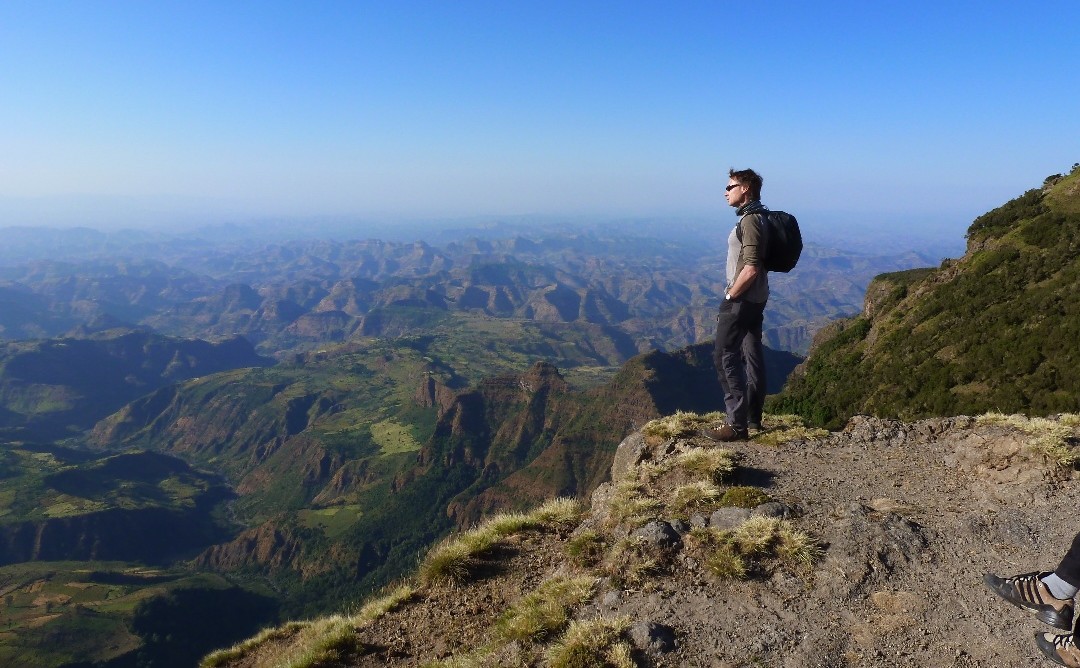
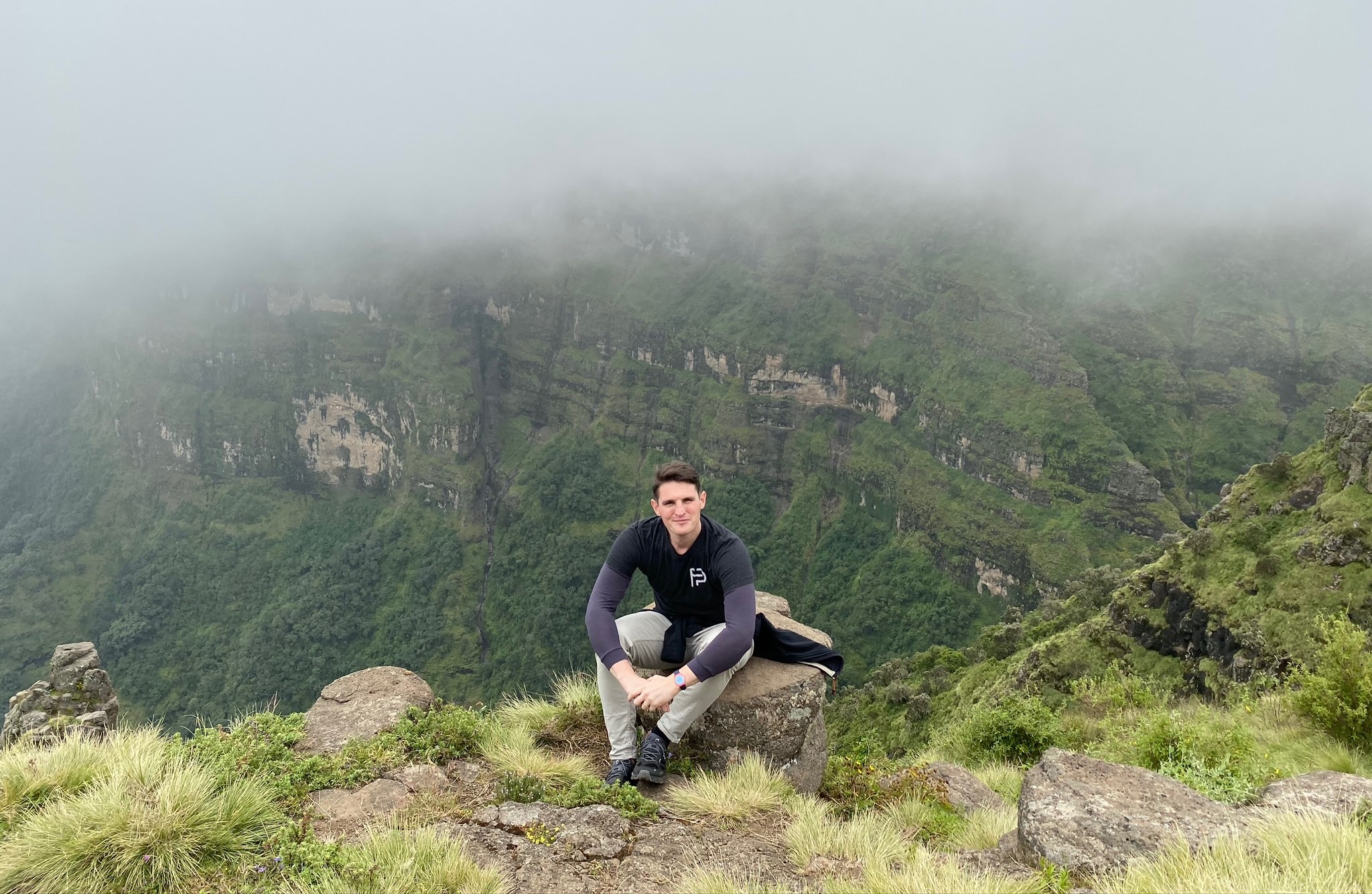
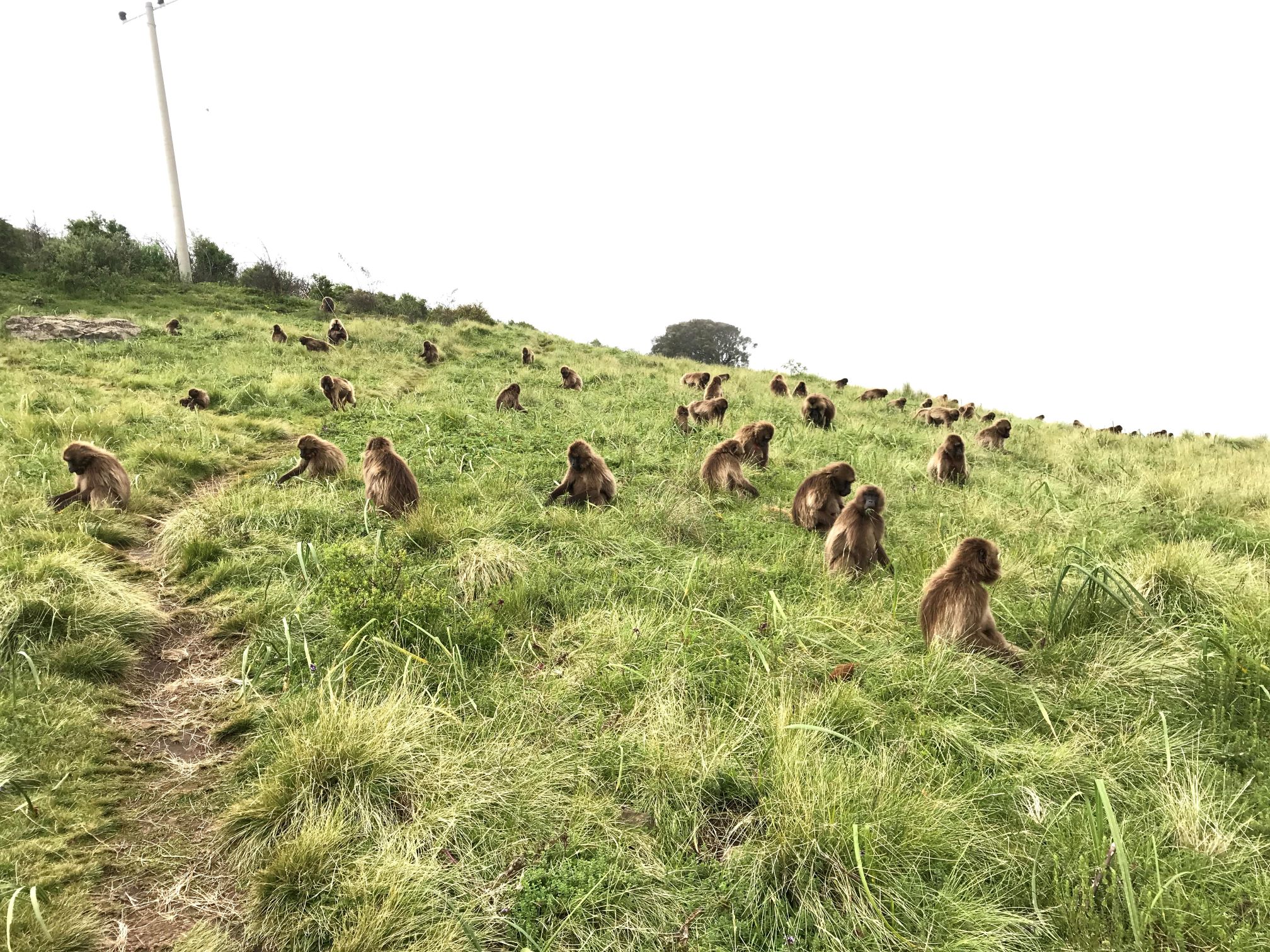
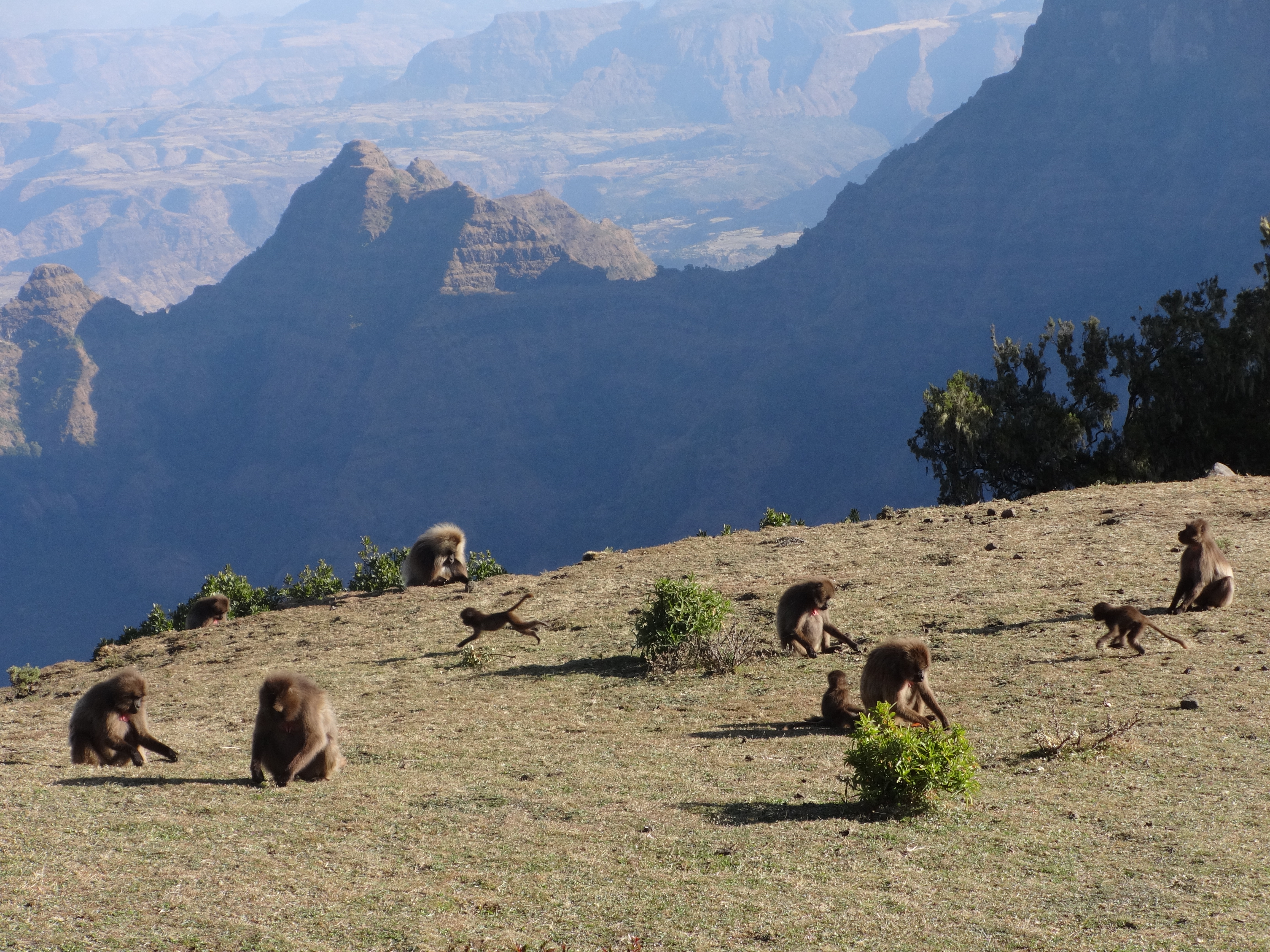
Ethiopian Semen Mountains National Park is registered by UNESCO as a world heritage site and is home to three of the endemic mammals, Walia Ibex, Gelada Baboon, and Abyssinian Wolf. Ras Dashen, the fourth highest peak in Africa with an altitude of 4620 meters, is also located within the National Park.
On the other extreme, the Dallol depression is one of earth’s hottest place with many points at little more than 120 meters below sea level. Dallol is a lunar type landscape, while Ertale is lake of volcano.
Ethiopia’s centre, Addis Ababa, friendly and safe capital city, has so much to offer too, with its first class hotels and restaurants, museums and palaces, and good shopping, which includes the Merkato one of Africa’s colourful largest market.
Ethiopia is the earliest known home of Human kind. The discovery of Lucy s Australopithecus afferences 3.2 million-year old remains founded in 1974 was a milestone in positioning the country as a premier location for paleo anthropological research.
Addis Ababa City Tour to Museums And More
The United Nations Education, Science, and Culture Organization (UNESCO) registered the Lower Awash Anthropological site, where Lucy was found as a world heritage.
The other discovery is Ardipithecus Ramidos -a 4.4 million year old hominid fossils. The country is endowed with a vast array of historical, natural and cultural tourist attractions.
The capital city Addis Ababa is the seat of the Headquarters of the United Nations Economic Commission for Africa (UNECA), African Union (AU) and other Regional and International Organizations.
Addis Ababa has pleasant climate and the natural hot springs, historical buildings, museums, the numerous restaurants offering various exotic dishes make Addis Ababa hospitable and delightful place to explore.
The availability of modern conference facilities such as UNECA, AU old and new uplifted this city to become an attractive venue for international and regional conferences and meetings.
The Ethiopian Airlines, a member of Star Alliance with its extensive international and domestic network provides the best services. Major Airlines like Lufthansa, British Airways, KLM, BMI, Kenya Airways, Turkish Air and Emirates fly in and out of Addis Ababa.

The upgrading and construction of Airports, construction and rehabilitation of the road network, expansion of telecommunication, electricity and water supply services are some of the encouraging projects under implementation.
Bahir Dar is located in the southern shores of Lake Tana, the largest lake covering an area of 3,600 sq. kms. There are 37 islands housing 20 Churches and Monasteries. Ura Kidanemihret, famous for its paintings, is a monastery that is open for both men and women to visit. Its proximity to Bahir Dar makes to be accessed easily by boat trip. These destinations including Bahir Dar are located in what is popularly known as the Historic Route.
Located 525 kilo meters East of Addis Ababa lies the ancient walled city of Harar with its 5 gates. Known for its handicrafts, basketry and colourful market, Harar won fame for its being a symbol of peaceful co-existence of different religions. It is also registered by UNESCO as world heritage site.
The principal explanation is the profound isolation of the area. While the northern kingdoms of Ethiopia had considerable contact with Egypt, ancient Greece, and the Middle East three millennia ago, the tribes of the south had little contact even with the rest of Ethiopia-until the past few decades.
Immerse Your Self Deep Into Ethiopia’s Culture
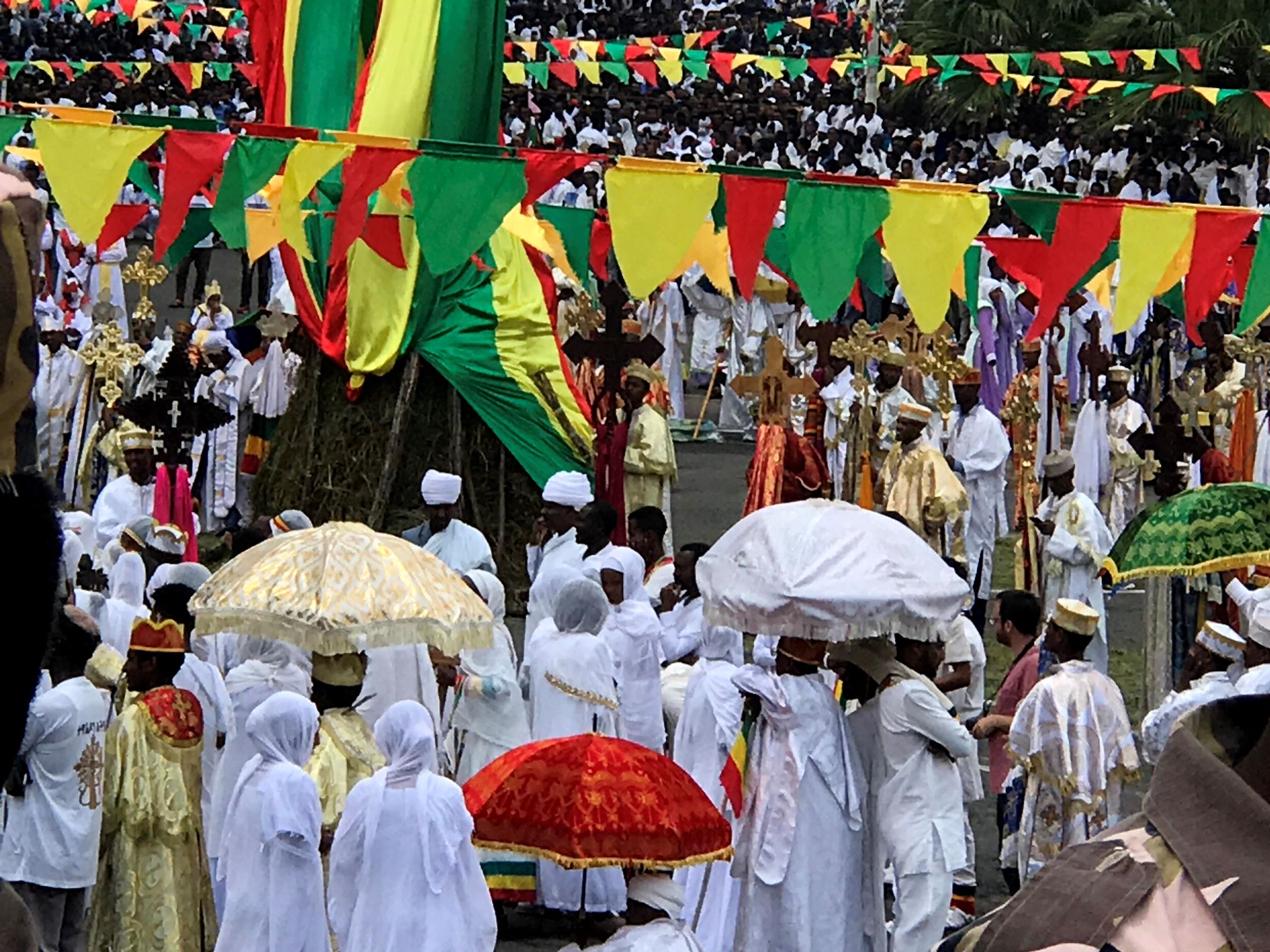
Ethiopia has a number of colourful festivals that attract and entertain visitors throughout the year. Starting with, September which is the time of the Ethiopian New Year (Enkutatash) that falls in Meskerem1 or September 11. The most interesting of the country’s religious festivals are Axum Tsion, Kulbi Gebreil, Sheik Hussin, Gishen Mariam, and Sof Omar.
Huge crowds arrive to pray for their health, for a new baby to be born, for a special favour, for a good harvest or to give thanks to God for wishes already fulfilled.
Some more festivals which attract thousands of pilgrims and visitors include; Ashenda (from August 21-23 every year), Meskel (the finding of the true cross on September 27), Irecha (thanks giving day of Oromo people celebrated in the capital and around Lake Hora, Bishoftu), Ethiopian Christmas (Genna on January 7), Timkat (Epiphany) celebration(January 19), and Ethiopian Easter.
The groups have maintained their highly unique traditions, seen today in their rituals, dance, crafts, food, and adornments. Indeed, these are great draws for travellers. Yet in some places, tourism consists of little beyond choreographed photo-taking.
As responsible travellers, you are encouraged to go deeper-beyond the peoples’ captivating appearance-and seek opportunities to gain a richer understanding of their cultures. Presented here are brief profiles of just a few of the peoples of the south.
Ethiopian Treks To Coffee Routes And Culture
Every day two billion cups of coffee are consumed worldwide adding to an industry valued at about US$60 billion. Ethiopia is the birth place of coffee. It is originated in south western parts of Ethiopia in a place called ‘Kaffa’. Interestingly, it all started with a discovery by a young Ethiopian goatherd in the 9th century.
Legend says that one day Kaldi noticed his goats became very jumpy after eating berries from a small green bush. He reported his finding to local monks, whose experimentation with the berries revealed a way to maintain concentration during evening prayers.
The practice of chewing coffee berries spread to monks throughout the land. In the 13th century, people started using the berries to make a hot drink. Around the 16th century, coffee had become a sensation in the Arab world and Europe.
Ethiopian Coffee Ceremony
Ethiopians fervent coffee drinkers maintain an age old “coffee ceremony” tradition. The host, sitting on a stool next to a small charcoal stove, lights fragrant incense and starts roasting the washed beans. The roasted beans are ground with a pestle, then boiled in water. Next, the coffee is transferred to a clay pot and served, often with popcorn. Invitations to a coffee ceremony are coveted signs of friendship and respect.
Ethiopia is Africa’s top coffee exporter; indeed, coffee is the country’s largest export. More than 90 percent of the beans are produced on share holder farms, many in the Sidama region. Sidamo coffee is a very high quality variety, particularly noted for its rounded taste, floral aroma, and moderate acidity.
Coffee from Yirga Chefe used to be marketed as Sidama coffee, but in 2005 obtained its own brand and trademark. With its rich body and citrus notes, some consider it Ethiopia’s finest variety.
Ethiopia’s Southern Trekking Route
40 Springs Arba Minch’s name and its drinking water originate from these natural cold springs. While not spectacular, they mark the end point of a scenic 3-kilometer (1.9-mile) walk from park headquarters through dense forest teaming with birds and primates. After working up a sweat on the hike, you may want to take a refreshing dip in the springs’ outflow.
Crocodile Ranch Peer into the tanks housing the adorable Nile crocodile hatchlings, then marvel at the sheer size of the adults, which can grow to 5 meters (16 feet) in length. Thousands are raised here; some are released are sold to support the ranch’s activities. The small museum has a skull of a record-breaking former resident that was more than 7 meters (23 feet) long.
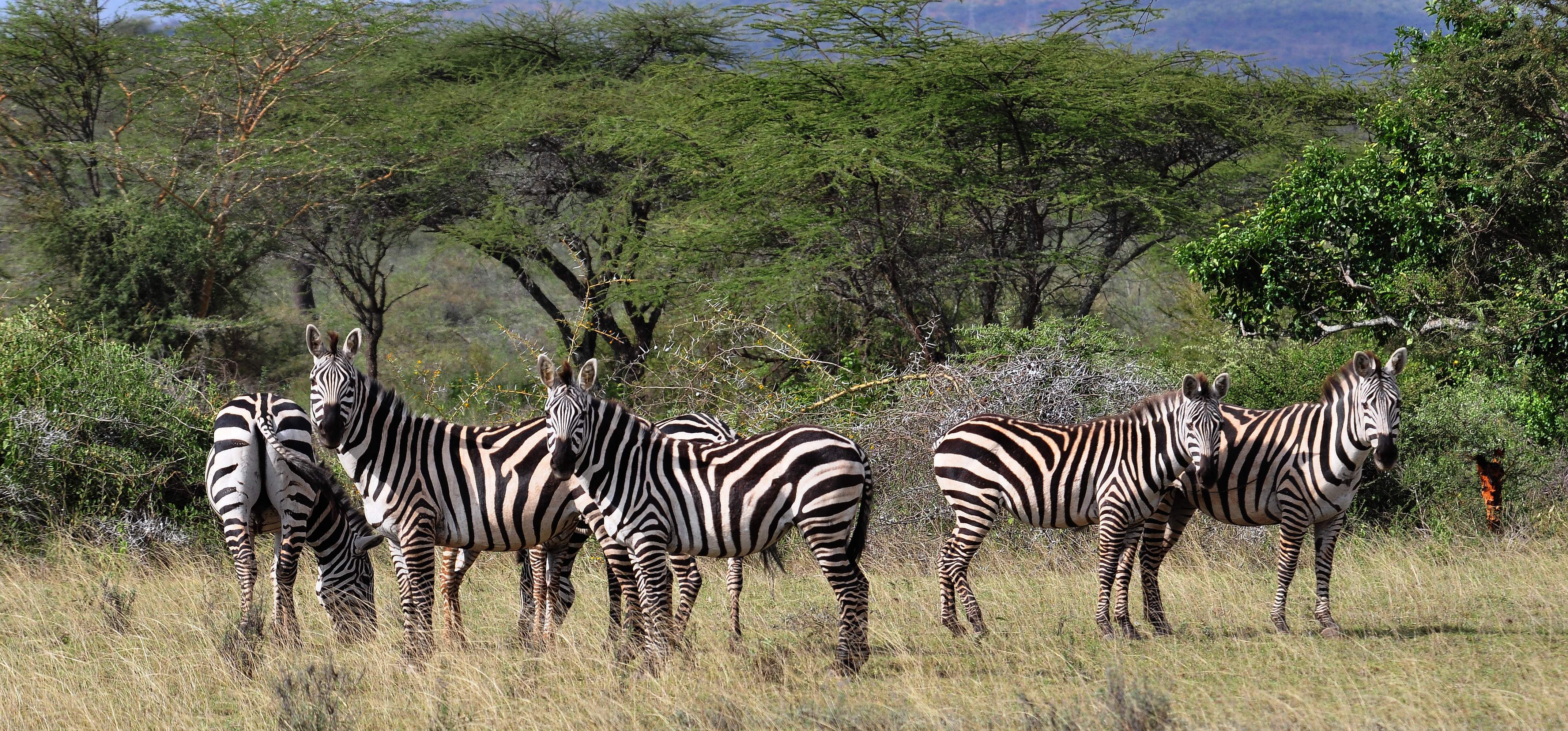
Enjoy a boat trip on Lake Chamo you will visit the hippos and crocodiles as well as water birds. Then cross the lake to Netch sar national park where you will see zebras, swaynes hartebeest, kudus, bushbuck and other interesting wildlife.
Crocodile Market, you may feel like you are in the middle of a wildlife River. At the misleadingly named “crocodile market,” scores of massive Nile crocodiles sun themselves on a long sandy spit. Meanwhile, brazen egrets large hippopotamus wade in the shallow waters.
What Our Guests Said About Ethiopian Historic and Cultural Trekking

Susan Gomez
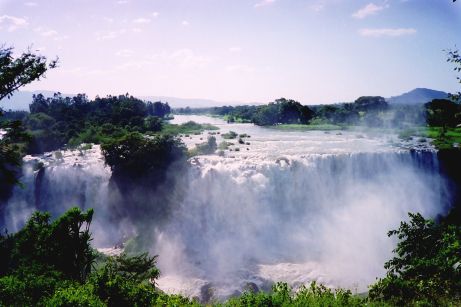
“The north and south are very different. It’s hard to comment on only one memorable moment. Hiking in the Simien Mountains NP and encountering the Gelada monkeys as well as the gorgeous Ginbar waterfalls. In the south exploring the diverse tribes and their unique traditions, being able to witness the passage to adulthood among the Hamer tribe plus so much more!”
Angela Morrison
“Visiting a country where the majority of people in the rural areas are still living a sustainable, healthy, self-sufficient and organic life is humbling and can teach us in the ‘developed’ world a lot. Go to Ethiopia soon since one senses that the government wants the country to become more ‘developed’ whereas responsible tourism with a light touch can work wonders. Eskinder can tailor make a holiday to suit your timing and budget. We spent 27 days to see most of the main sights in this large country and felt that pace was right for us.”
More Interesting Facts About Ethiopia Trekking
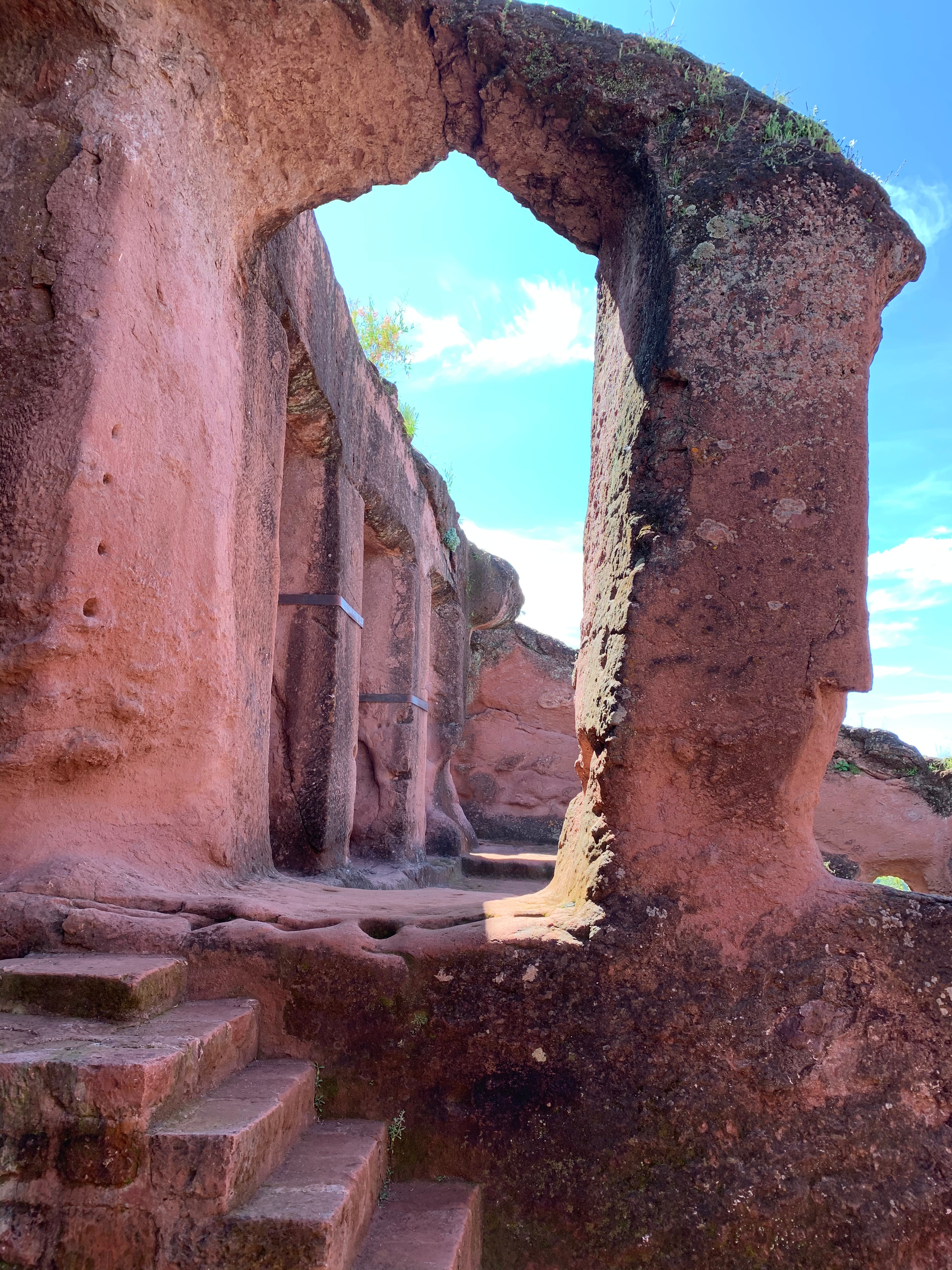
Ethiopia has so much to offer visitors: the Historic Route, covering the ancient town of Axum, with its amazing curved obelisks, Christian festivals and relics, including the Ark of the covenant; Gondar, with its castles and palaces; Lalibela, with its remarkable Rock-Hewn Churches, Negash, one of the earliest Muslim settlements since the time of prophet Mohamed Era. The Negashi Amedin Mesgid, the Old City of Harar and Lega Oda, near Dire Dawa where you can see cave paintings believed to be thousands of years old.
The principal explanation is the profound isolation of the area. While the northern kingdoms of Ethiopia had considerable contact with Egypt, ancient Greece, and the Middle East three millennia ago, the tribes of the south had little contact even with the rest of Ethiopia-until the past few decades.
To mention some, Axum was the capital of one of the most glorious Empires of the ancient world dating back to T Century A.D. Once the seat of the Queen of Sheba, this ancient capital is the site of the famous stelae. Lalibela is famous for its 11 rock-hewn Churches built in the 12century. These churches are hewn out of a living rock. Of all the churches, Bete Giorgis is famous for its architectural perfection.
Other interesting sites while you are on Ethiopian birding tour
Lake Chamo
One of the quintessential experiences of a trip to southern hippos and the impressive collection of Nile crocodiles seen at the crocodile tours generally last around two hours.
Lake Abaya
Measuring 1,160 square kilo meters (448 square miles), this National Park, it is seldom visited by travellers in part owing to the feisty striking contrast to the deep blue Lake Chamo.
Tutiti Stelae Field
Wander through a field of more than 1,000 stelae (some of them unambiguously phallic) that vary considerably in size, with the largest gravestone measuring more than 7 meters (23 feet). Scholars estimate them to be from the ninth century. Hire one of the well-informed guides at the tourism office in Dila.
Wondo Genet
In 1962, Princess Tegnan-work visited this lush mountain area and decided to have a resort built for the royal family. Her father, Emperor Haile Selassie I, was so impressed that he named the area Wendo Genet, or “heavenly place.” Today it is a popular recreational spot and bird-watching destination. Hikes through the partially forested hills can be arranged with the local guides waiting outside the hot springs area.
Haile Selassie I’s former palace, where else can you sleep in the bed of a former emperor? Nine years after Haile Selassie I’s reign ended, his royal resort was taken over by the Wabe Shabelle, a state-run hotel chain. New concrete blocks were erected, but guests have the option of staying in his former house, where much of his furniture remains. Many of his personal belongings have been placed in a small museum in the former resort’s Princess Bar.
Hot Springs
Take an invigorating early morning soak in these famed thermal waters. The pools are made of concrete, but the setting has real natura beauty: A cold stream flows alongside the pools, and the flowering trees are filled with chirping birds. You will likely spot baboons, whose efforts to jump into the water are repeatedly thwarted by the pool attendants.
We Like To Hear From You


More Ethiopian Treks For You
We offer a wide range of tours in Ethiopia all the way from North to South and East to West. If you are keen on mountains trekking, ancient history, or tribal culture, we are here for you. Click on one of the images below as we love you to explore more on what Ethiopia offers.

 Ethiopian Treks