


Trek to Ethiopia’s Best Birdwatching Spots and Scenic Landscape
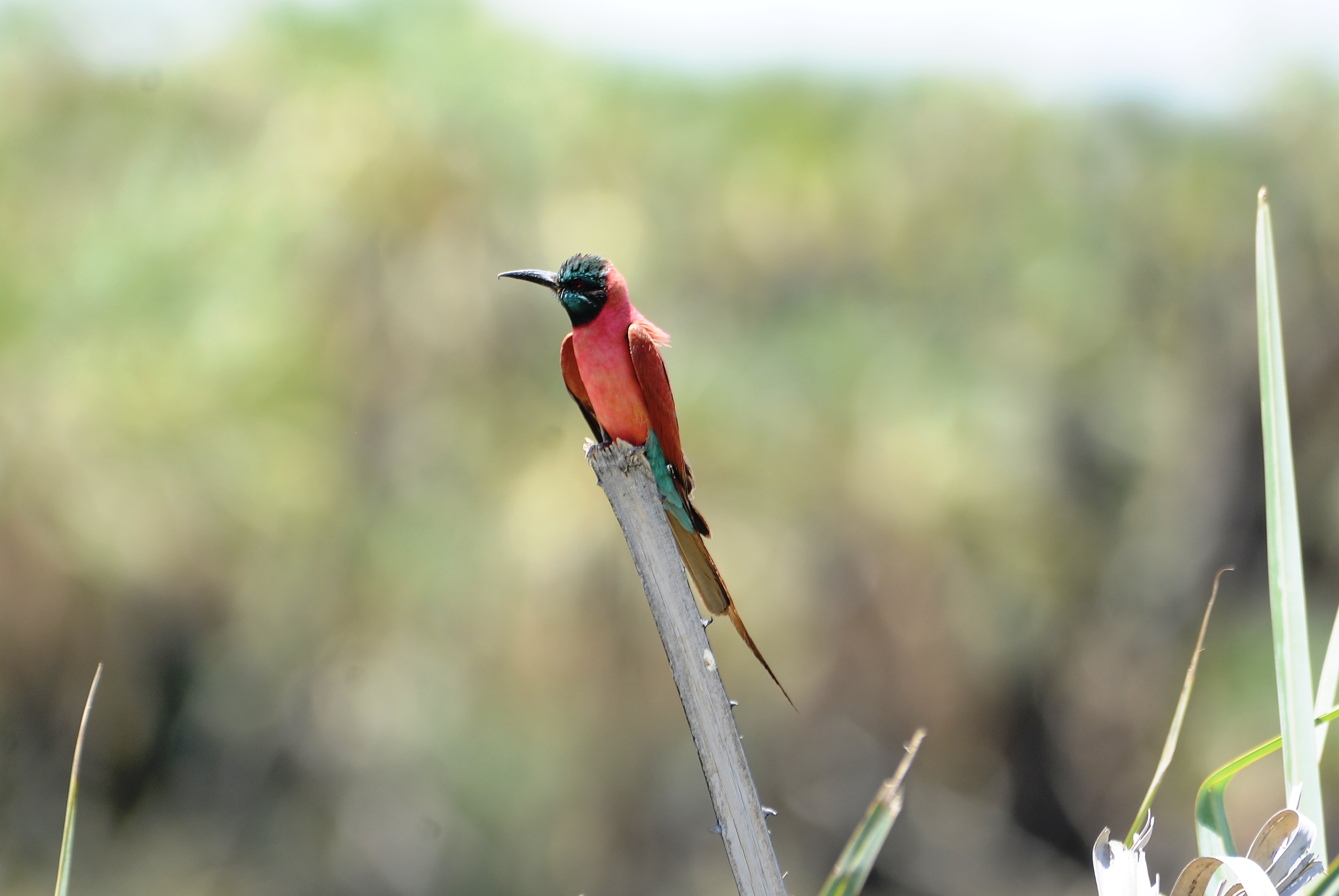
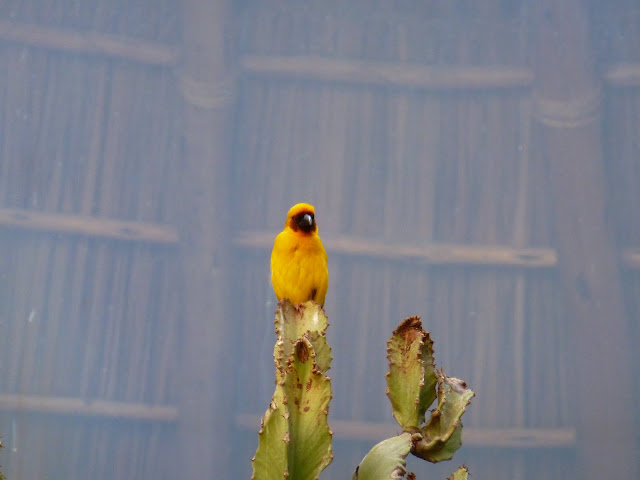
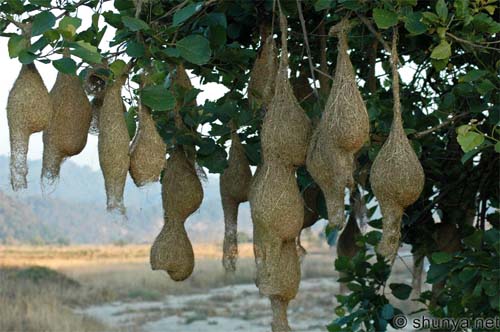
Our trips are designed to help you explore Ethiopia’s best birding spots. Out of 861 species of birds 23 are found only in Ethiopia. Of 277 species of mammals, 31 larger and smaller size mammals are endemic. There are twenty-one National Parks and two sanctuaries where 277 species of mammals and more than 850 species of birds can be seen.
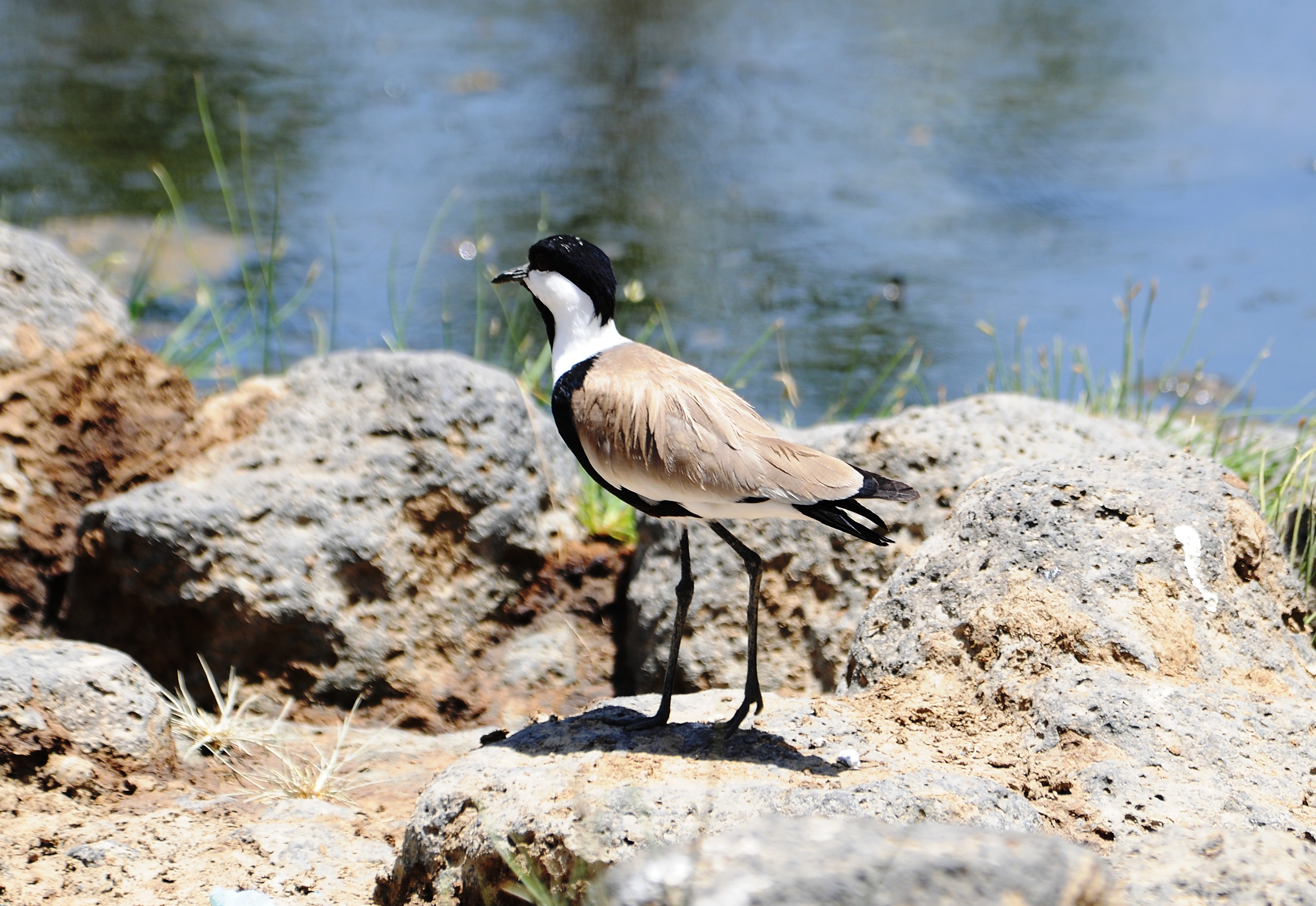
Discover Ethiopia – The Birdwatchers’ Paradise
Ethiopia also offers a lot in terms of outdoor activities. Its mountains and terrain are best for trekking, bird watching, paragliding and the like. Also rivers like Blue Nile, Awash and Omo are preferred for rafting.
Abijata Shala National Park
Ethiopia’s aquatic birds are the main draw here, and the most sought after are the flamingos, with populations that can reach 50,000 during the rainy season. Also in residence are a wide variety of cranes, plovers, gulls and ducks.
Overall there are more than 400 bird species in the park, though populations have decreased as the size of the lakes has diminished. The two large lakes for which the park is named still make up the majority of the park’s 887-square-kilometer (342-square-mile) area.
Tiny Lake Chitu is also part of the park. At the headquarters you’ll find a small ostrich farm that’s well worth a quick visit. Warthogs and Grant’s gazelles tend to congregate around here; overall, though, the cattle and human populations inside the park seem to keep the non-avian fauna numbers fairly low.
Trekking At The Great Rift Valley Lakes
At Lake Shala Hot Springs, the water’s purported healing properties draw locals who bathe in the small, steamy streams that lead from the springs to the lake. Some also cook cobs of corn in the hot water.
Lake Abijata is shallow and highly alkaline. This lake hosts large numbers of lesser and greater flamingos best viewed along the lakeshore, accessed from the northern Hora-Kelo park entrance. While flamingos are here year-round, their populations swell from June to September.
Lake Shala Ethiopia’s deepest lake (up to 266 meters or 872 feet) has eight volcanic islands, breeding grounds for aquatic birds. The best known is Pelican Island. For mainland birding, head to the confluence of the lake and the Dadaba River, 16 kilometres (10 miles) from the park’s main entrance.
Lake Chitu – more than 12,000 flamingos flock to this tiny crater lake. They and other migratory birds are attracted by the blue-green algae. Seldom visited by humans, it can be accessed only via a rough 20 kilometre (12 mile) road that begins at the park’s south entrance, which is not signposted.

Ethiopian Treks at Lake Zeway
Of all the Ethiopian lakes, Zeway offers perhaps the best combination of nature and culture. On the nature side, it is an essential stop on the bird-watching circuit and also is host to numerous hippos. On the culture side, three of the five volcanic islands and portions of the mainland are home to the linguistically and culturally unique Zay people.
They are said to have come here more than a millennium ago, when they shepherded the Ark of the Covenant to safety on Tullu Guddo Island. While the Ark has long since left, ancient manuscripts and other precious relics remain. The 430-square kilo meter (166-square-mile) lake and its volcanic islands can be explored on guided half-day or full-day boat trips offered by the Hara Dembel Boat Owners’ Association.
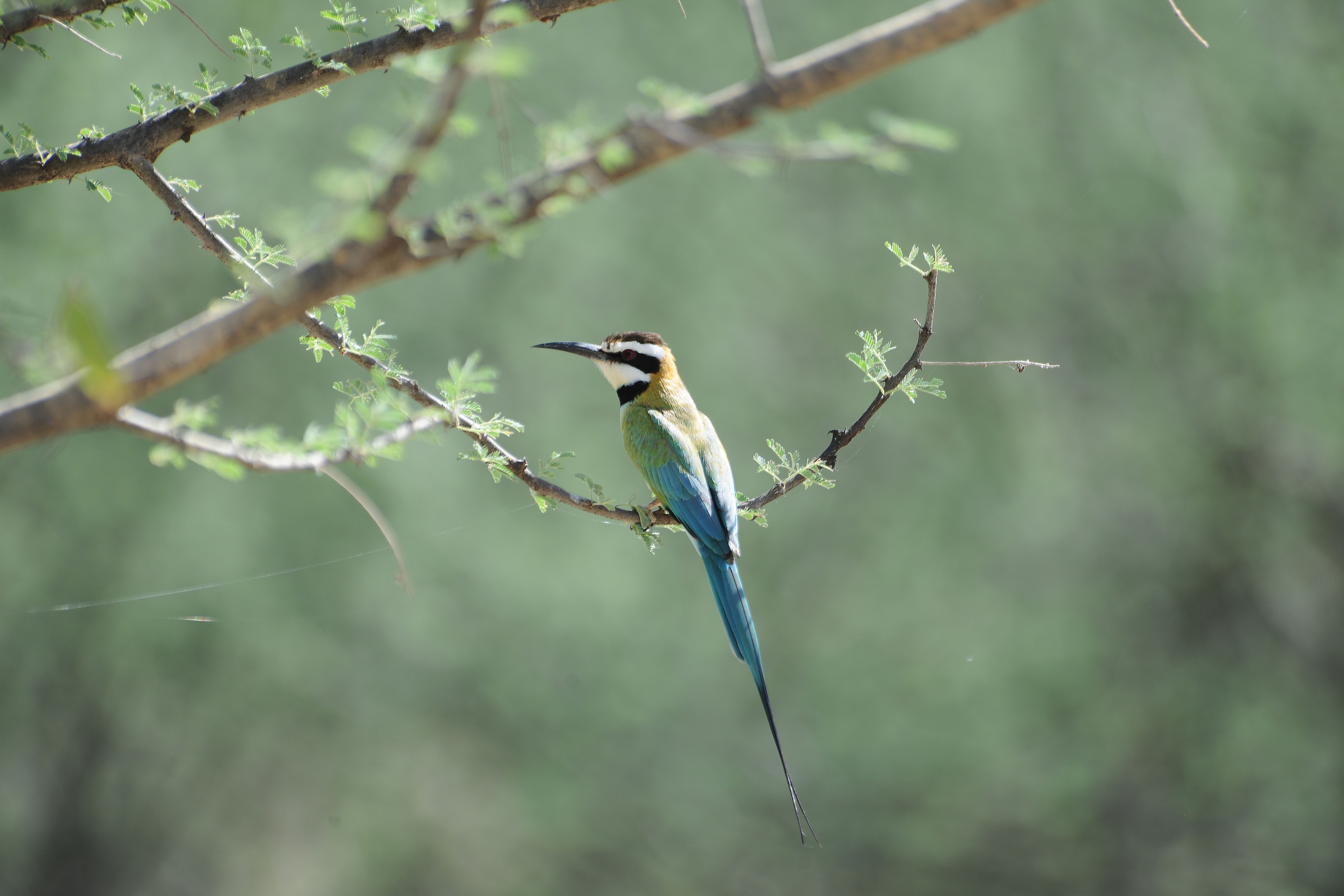
Ethiopian Bird Watching At Lake Zeway
Tullu Guddo – visit to Ziway’s “Big Island” is a trip back in time. The roughly 900 inhabitants are Zay people, said to be descendants of those who came in the ninth century to hide the Ark of the Covenant.
Fishermen still ply the waters in papyrus boats, farmers still tend small terraced plots, and weavers still make shawls on wooden looms. Don’t miss a visit to the monastery.
Nearby is a community-run restaurant, not surprisingly specializing in fresh grilled fish. If you have time, hike to the top of the island for spectacular views and to see ruins of the original monastery, built from volcanic rocks and granite from the mainland.
Gelila Island – a quick walk past the tiny island’s only house and up the forested slopes will take you to a monastery that’s often closed. Walk around its perimeter for good views of the lake.
Debre Sina Island – this small forested island was inhabited by Zay people until the 1960s, when they left for the greener pastures of the mainland. One of the two monasteries at the top contains old manuscripts that the priest will enthusiastically show you as part of the short guided tour of Lake Ziway. The island also has a system of small caves, each with a colourful history.
Ethiopian Birding And Trekking At Arbaminch
40 Springs, Arba Minch’s name and its drinking water originate from these natural cold springs. While not spectacular, they mark the end point of a scenic 3-kilometer (1.9-mile) walk from park headquarters through dense forest teeming with birds and primates. After working up a sweat on the hike, you may want to take a refreshing dip in the springs’ outflow.
Crocodile Ranch peer into the tanks housing the adorable Nile crocodile hatchlings, then marvel at the sheer size of the adults, which can grow to 5 meters (16 feet) in length. Thousands are raised here; some are sold to support the ranch’s activities. The small museum has a skuli of a record-breaking former resident that was more than 7 meters (23 feet) long.
Crocodile Market on Lake Chamo and Abaya
You may feel like you are in the middle of a wildlife River. At the misleadingly named “crocodile market,” scores of massive Nile crocodiles sun themselves on a long sandy spit. Meanwhile, brazen egrets large hippopotamus wade in the shallow waters.
What Our Guests Said About Ethiopian Bird Watching Trips
Jenny and Susan
“There are so many factors which made this trip so memorable and exciting. Ethiopia is unique. From it’s calendar to it’s diversity across the country. Culture, history, wildlife, scenery, people, traditions. It’s unlike any other African country I have visited. At times it can be inspirational, how far these people have come through adversity and others, their different tribal rituals and traditions can be quite shocking. As two females we felt completely safe touring the country. Most of all, none of this would have the trip it has been without the exceptional services of Eskinder of Highway Tours.”
Fiona Cowieson
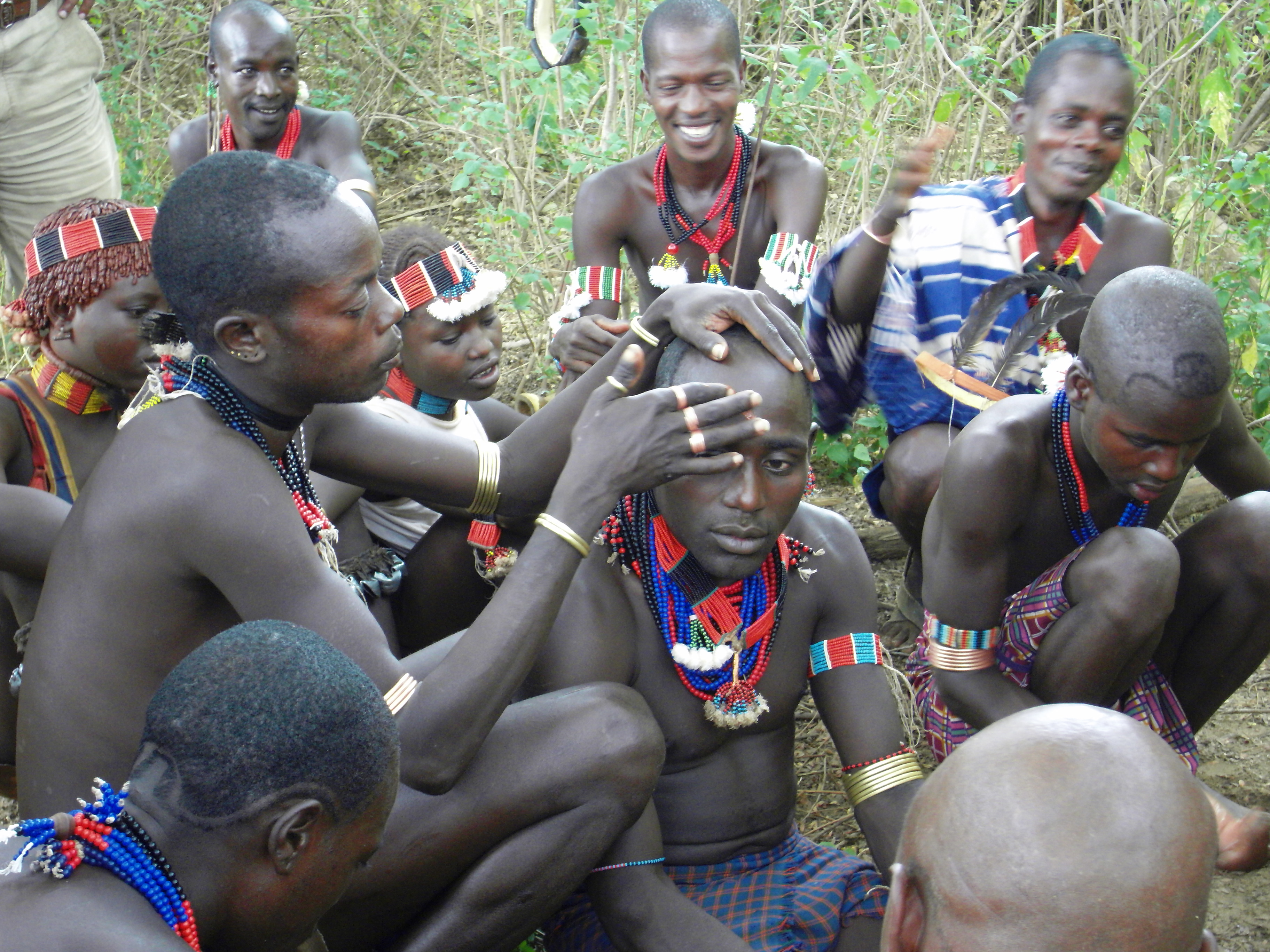
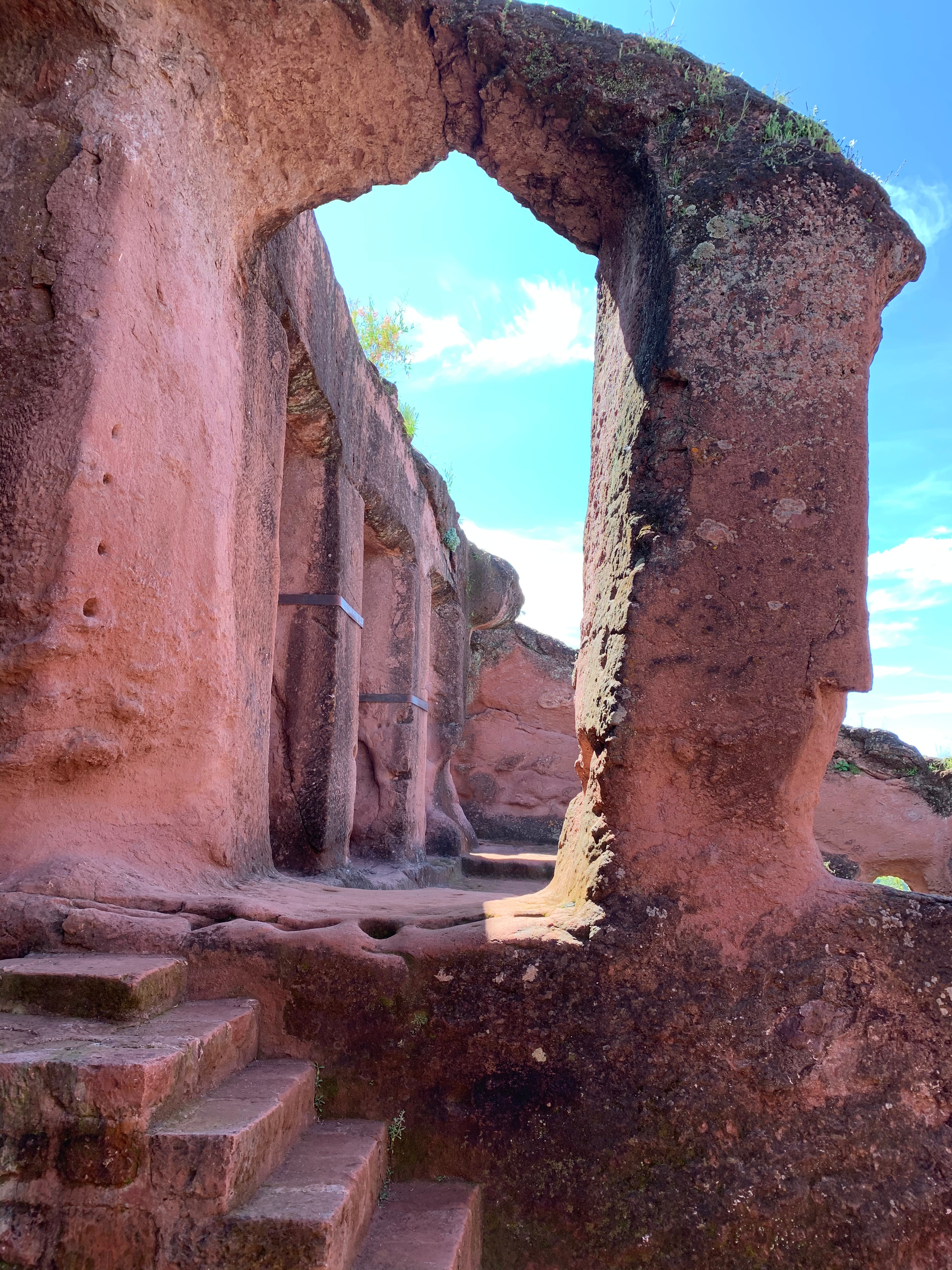
“This was one of the most amazing holidays we have ever had. Every day held something exciting and new. Ethiopia is a fascinating country with its rich culture and diverse landscapes. If I had to choose the most exciting part of the trip it would be climbing to the rock hewn church of Abune Yamata. The climb was challenging and so well worth it when we reached the church which was simply breathtaking. I also will never forget the diversity of cultures we came across in the tribes of the Omo valley. Absolutely fascinating.”
More Ethiopian Birding Spots In The Great Rift Valley
Bochessa Birding Area
A lakeside wetland, the area attracts a number of migratory species, notably the lesser jacana, saddle-billed stork, black heron, and African pygmy goose. If you visit in October or November, you might spot the rare and exceptionally tall (1.8 meters or 6 feet) wattled crane.
Lake Hawassa
Small by Rift Valley standards, this lake can be explored by boat or via a the fish market. Indeed, the lakeside town of Hawassa is one of Ethiopia’s most attractive cities. Fiker Hayk, loosely translated as “lovers’ lane,” this lakeshore area is the best place to relax and restaurants (one of which is a floating eatery), attracts people from all walks of lite, including students and, as its name implies, couples.
Hawassa Fish Market
Unflappable marabou storks gather around wooden fishing boats hauling trees. Even better views are afforded by Mount Tabor, set just behind the market. Tabor can be scaled in about 20 minutes.
Lake Langano
This is Ethiopia’s most developed lake destination thanks to its proximity to Addis Ababa and suitability for swimming (the water is free of the Schistosoma parasite). The far more rustic forest on the eastern lakeshore attracts birders, horseback riders, and other adventure travellers.
Lepis Forest
A little-known bird-watchers paradise, Lepís boasts several near endemics (endemic to Ethiopia and Eritrea) species, such as the white-cheeked turaco and black-winged lovebird. Saddle up or lace up and head into the pristine juniper forest. The highlight of a horseback ride or hike is the gorgeous Lepis waterfall, most powerful during the rainy season, June to September. Want to spend a night or two? There’s a community run campsite. Highly entertaining horse races are held three times a year.
Netch-Sar National Park
Even novice photographers are sure to get a beautiful shot of Burchell’s zebra among the white grasses that give the park its name. Trade your car for a boat, and it’s equally easy to capture the enormous Nile crocodiles and white-tailed lark, hornbill, and white-fronted black chat. One of the reasons that the 514-square-kilometer (198-square-mile) park is ideal for photo safaris is its great diversity of habitats, which include the grass plains, dry acacia savannah, evergreen groundwater forest, and the wetland areas of Lake Chamo and Lake Abaya.
We Like To Hear From You


More Ethiopian Treks For You Here
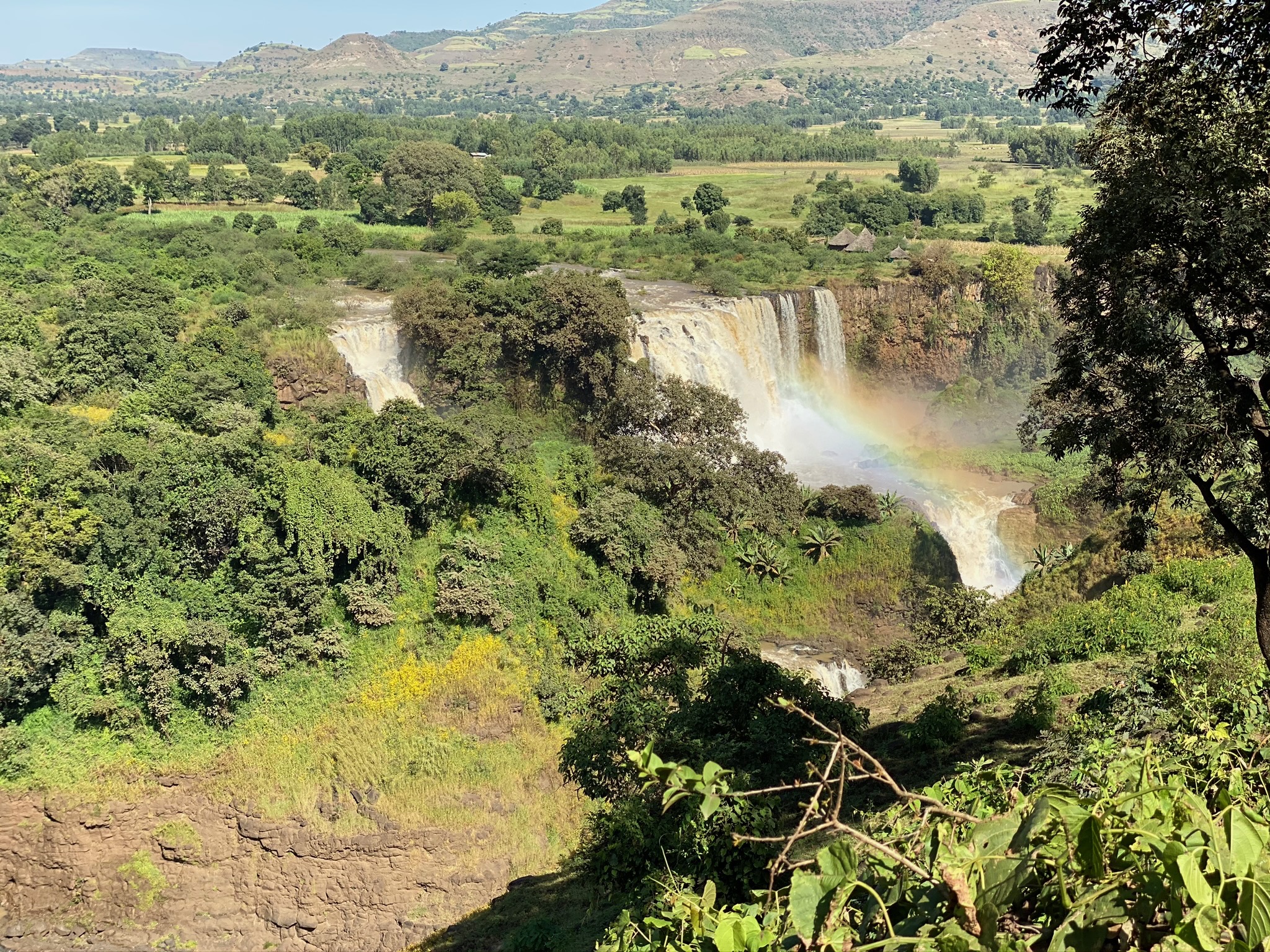
We offer a wide range of tours in Ethiopia all the way from North to South and East to West. If you are keen on mountains trekking, ancient history, or tribal culture, we are here for you. Click on one of the images below as we love you to explore more on what Ethiopia offers.
 Ethiopian Treks